


1. Lock Down!
Make sure your gate is locked in your yard. As you are doing more lawn work, coming and going from your yard is expected. Ensure your gate is locked or latched to prevent runaways.
2. Tag Your It!
Keep a collar with identification and your contact info on your dog at all times while he is outdoors. As an extra precaution have your dog microchipped and update his photo and info online. There are many different online services that will help to recover your pet if he gets lost.
3. Refresher Course
Train train train. Make sure your pet is well trained and obedient. I know it's easier to say than do, but it's very important to ensure the safety of your pet outdoors. Many dogs are under socialized. When they see another dog even on leash they react poorly. Your dog could break his or her leash or collar and escape to greet another dog or chase another furry. Recall and socialization are the most important when outside with your pet.
4. Shield Them!
Make sure to keep your vaccinations up to date as well as monthly preventatives. It's high flea and tick season with the warm weather approaching. Also I have found that many do not keep the Bordatella UTD since the dogs were primarily indoors. Dog parks are breeding grounds for this along with multiple intestinal parasites. Keep your pets healthy as they make new friends.
5. Don't Eat That!
Tis the season of barbecues! I have seen many family barbecues with off leash pets raiding garbage cans, picking up discarded scraps and licking plates. Be careful your dog does not ingest bones or trash. Keep him leashed and safely with you, or in a playpen when you can not watch him.
6. Not In My Garden!
Lawn work and gardening are in full swing. Also ensure he doesn't eat any poisonous plants while out and about. Some flowers and plants seem very appetizing to your pets. Visit http://www.aspca.org/pet-care/poison-control/ for a list of household and garden plants that are hazardous to your pet.
Dari and Sean
Www.backinthepack.com


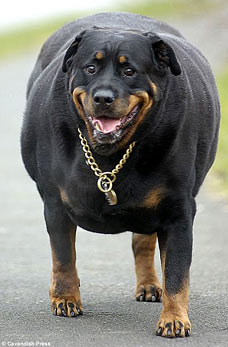
Obesity in dogs is sadly a steadily rising health risk amongst our family pets. Studies have shown over the past 20 years obesity’s ever gaining hold on America to the point of the Presidential attention. So if we as can’t control our own diet and exercise, how can anyone expect our dogs not to suffer. Affection and attention has been replaced with treats, table scraps, and an increase in meals. A romp in the back yard is considered adequate exercise. It’s just not enough. We feed our pets too much for the amount of exercise we give them. Dogs that are overweight may experience difficulty breathing or walking or they may be unable to tolerate heat or exercise. Obesity is an important health issue because it may contribute to shorter lifespan and increased risk of arthritis, cancer, diabetes and a need for surgery.
What to Look For:
Overweight dogs have heavy fat deposits over the rib cage and no prominent “tuck-up” or waist line. In normal dogs there is a thin layer of fat. You can feel the ribs easily, although you won't see them. If your dog is overweight, you will not be able to readily feel the ribs, and the tissue over the ribs may feel smooth and wavy.
Common Causes of Obesity:
Too Much Food/Low -Calorie Diet. There are many inexpensive brands that include poor ingredients in order to lower production cost. They also deliver less nutrition, therefore your dog will consume more to receive the nutrients he needs.
Spayed/Neutered. Your pets metabolism usually drops once he has been altered. Owners continue to feed the same diet as before they were altered, therefore overfeeding.
Lack of Exercise. If the dog consumes more calories than it can burn then the result is weight gain. Conversely if you increase the exercise, with the same intake of calories the dog will lose weight, burn more calories.
Medical Conditions. Your pet may have a health condition that results in weight gain, such as diabetes, an abnormality of the pituitary gland, or hypothyroidism. Consult your veterinarian to determine if a medical condition is the cause for your dog’s weight increase.
Stress. Some dogs will pace or pant when anxious or bored. Some drink extra water some eat. If your dog is leaving his food for later, than he is probably receiving too much. Dogs tend to self regulate when possible. Considering removing the excess to avoid them coming back to eat and scavenging.
What to Do?
Take your pet to the vet to determine if your dog is obese. Lower you pet’s food intake. And get them on a normal exercise regimen or increased activity. Try swimming with your dog, or a water treadmill. If you pet is asking for more food, try adding green beans, carrots, or another low-calorie vegetable to the meal to fill them. Watch the calorie content of the kibble your pet eats. Keep Fido away from the table at meal times, and away from snacking children. Remember dogs are scavengers, an empty bowl is an opportunity to look for food, don’t mistake that for a starving dog.
Obesity is not an overnight occurrence, so it will not go away overnight. There is a lot one can do to prevent obesity in your pet. Monitoring the caloric intake, investing in a premium dog food, and regular exercise and physical activity. Stay away from fatty and high sugar treats, and table scraps, and DON'T GIVE IN TO THOSE PUPPY EYES!


